September 23, 2026
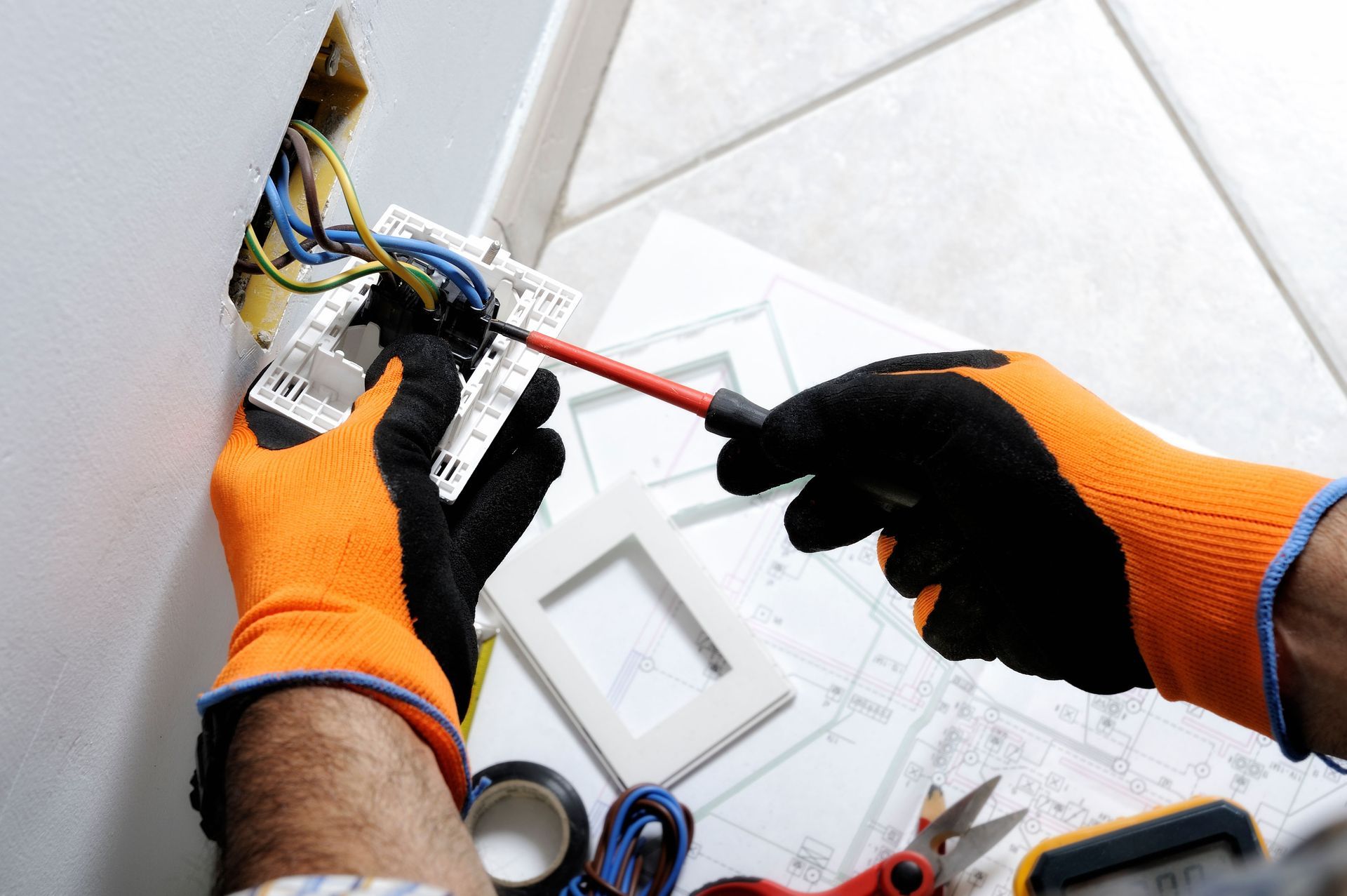
Electrical installation is an important part of creating a functional home, business, or other building. Planning electrical work involves considering the property's power needs, outlet and lighting placement, wiring, electrical panels, and other components. A general contractor can help coordinate electrical considerations with the broader needs of a construction or improvement project, making it useful to understand the work involved before installation begins.
Electrical Supply Planning
Evaluate Electrical Load Needs
Evaluating a building's electrical needs is an important step in planning an installation. Different areas of a property may require different amounts of power depending on how the spaces will be used and which electrical features they need to support. A general contractor can help property owners consider these needs when planning additional outlets, lighting, power, or other electrical improvements.
Assess Power Needs
Assessing the property's available electrical capacity can help identify areas that may need improvement. A project may involve an electrical installation, panel upgrade, or other electrical work depending on the condition and needs of the existing system. A general contractor can consider the property's current use and planned improvements when coordinating electrical work with the overall project.
Plan Outlet Needs
Outlet and switch placement should be considered alongside the way a space will be used. Additional outlets may be useful in areas where electrical devices are frequently used, while switches should be positioned where they are convenient for occupants. A general contractor can account for these details when coordinating electrical installation as part of a larger construction or improvement project.
Follow Safety Requirements
Safety should remain a priority throughout an electrical installation. Existing wiring, the condition of the electrical system, and the planned improvements can all affect the work that a property needs. When older or damaged wiring is present, addressing those conditions as part of the electrical work can help bring the system up to current safety codes.
Electrical Layout Planning
Design for Function and Accessibility
An electrical layout should support the way a property will be used. Considering the location of outlets, switches, lighting, ceiling fans, and other electrical features can help create a practical arrangement. A general contractor can account for these considerations when coordinating electrical work with the layout and intended use of the property.
Plan Electrical Placement
Electrical component placement is an important consideration during installation. Outlets, switches, lighting, and other features should be planned according to the needs of each space. A general contractor can help coordinate these electrical considerations with other aspects of a construction or improvement project.
Allow for Future Changes
Planning with future changes in mind can make it easier to accommodate evolving electrical needs. Property owners may eventually add lighting, outlets, appliances, smart-home technology, or other electrical features. Considering those possibilities during an installation can help determine which improvements make sense for the property now.
Plan Smart-Home Wiring
Smart-home technology can be considered when planning electrical work for a home. Smart-home wiring can be incorporated into an electrical installation based on the technology and features the homeowner intends to use. Addressing these needs during the planning process can help ensure that the electrical work accounts for the property's intended technology.
Consider Energy Efficiency
Energy efficiency can be one consideration when deciding whether to update an electrical system. Property owners may consider how their current electrical system is being used and whether an upgrade could address changing needs. Energy efficiency upgrades can be part of a broader electrical project when they are appropriate for the property.
Electrical Component Selection
Choose Appropriate Wiring
Choosing appropriate wiring is an important part of an electrical installation. The wiring should be suitable for the property's electrical needs and the planned work. New construction may require new wiring throughout a building, while an existing property may need rewiring when its current wiring is old or damaged.
Evaluate Electrical Panels
Electrical panels are an important part of a property's electrical system, particularly when an existing system no longer meets the property's needs. An electrical panel upgrade may be appropriate when a property needs additional electrical capacity or when other electrical improvements are being made. A general contractor can coordinate panel-related work with other construction or renovation needs.
Plan Lighting Installation
Lighting is another important consideration when planning electrical work. Property owners can determine where additional lighting may be useful and how those fixtures fit into the overall electrical layout. Lighting installation can be included as part of new construction or electrical improvements to an existing property.
Match Work to Your Needs
Electrical work should address the actual needs of the property. Some projects may involve relatively simple improvements such as outlets, switches, lighting, or ceiling fans, while others may require panel upgrades, rewiring, or new-construction wiring. Identifying the property's current needs can help keep the scope of the project focused on the improvements being made.
Check Component Compatibility
Electrical components should work together as part of a cohesive system. Considering how new features will fit with the existing electrical system can help property owners plan upgrades and additions more effectively. This is particularly useful when an installation involves multiple electrical features or improvements to an existing system.
Final Electrical Installation
Use Proper Grounding Practices
Proper grounding is an important consideration for electrical installations. Grounding helps address excess electrical current and is part of maintaining a safe electrical system. Electrical work should account for appropriate safety practices throughout the installation process.
Secure Wiring Properly
Wiring should be installed and secured appropriately as part of the overall electrical work. Organized wiring can help support the function of the system and make the completed installation easier to understand. Proper installation also helps address concerns associated with loose, exposed, or damaged wiring.
Check the Electrical System
Reviewing the condition and function of an electrical system can help identify areas that may need attention. Signs such as flickering or dimming lights, frequent circuit breaker trips, insufficient power, or old and damaged wiring can indicate that electrical work may be needed. Depending on the condition of the system, installation, upgrades, or rewiring may be appropriate.
Follow Safe Installation Practices
Safety should be considered throughout an electrical installation, particularly when working with existing wiring or upgrading an electrical system. Careful attention to the existing condition of the property and the planned improvements can help keep the project focused on safe, functional electrical work. A general contractor can also coordinate electrical work with other stages of a construction or improvement project.
Address Electrical Repairs
Electrical problems may require repairs or other improvements to an existing system. Property owners can consider electrical work when they encounter issues such as old or damaged wiring, insufficient power, frequent circuit breaker trips, flickering or dimming lights, or a need for additional outlets or lighting. Addressing these concerns can help determine whether an installation, upgrade, or rewiring project is appropriate.
Planning an electrical installation involves considering the property's existing system, power needs, wiring, panels, lighting, safety, and any technology that may be incorporated. According to This Old House, the hot slot is the smaller slot on the face of the outlet, delivering 120 volts of electricity in North America. Understanding these considerations can help property owners determine which electrical improvements may fit their homes or businesses.
Bailey Contracting LLC provides electrical installation and rewiring services for homes and businesses, including new construction wiring, panel upgrades, lighting, outlets and switches, ceiling fans, generators, and smart-home wiring. The company also provides electrical work for commercial projects and other construction needs. Learn more about Bailey Contracting LLC and its electrical services to explore options for a future project.