May 22, 2026
Building a dream home on a hillside offers breathtaking views and unique architectural opportunities. However, the complexity of managing shifting earth and gravity requires a high level of expertise. Property owners must rely on the specialized skills of experienced general contractors to ensure the structural integrity of the project.
The process begins long before the first shovel hits the dirt. Navigating the challenges of an incline involves a deep understanding of soil mechanics and advanced drainage solutions. Without a comprehensive plan, the very beauty that makes a lot attractive can become a significant liability during the construction phase.
By choosing to work with professional general contractors, you gain access to a network of engineers and heavy equipment operators. These experts coordinate every detail to transform a steep grade into a stable foundation.
The visual appeal of a tiered landscape is undeniable, but the physics behind it is rigorous. Every stone and beam must work in harmony to resist the natural tendency of the earth to move downward. This is why the oversight of seasoned general contractors is indispensable for any project involving significant elevation changes.
Analyze the Local Topography
A thorough assessment of the land is the primary step in any hillside project. Surveyors must map the exact degree of the incline to determine how the building will sit on the property. This data allows general contractors to decide whether to utilize a walk-out basement design or a stilt-supported structure.
Soil composition plays a massive role in how the weight of the home is distributed. Testing the earth ensures that the subterranean layers can support the massive pressure of a new building. Professionals look for signs of previous erosion or unstable rock formations that could complicate the digging process later on.
The geological history of the lot can reveal hidden dangers like underground springs or shifting sand. By conducting a detailed site analysis, your team can anticipate these hurdles before they become costly emergencies.
- Mapping elevation changes across the entire lot
- Identifying natural water runoff paths
- Testing soil density and moisture levels
- Locating underground rock ledges or soft clay
Implement Erosion Control Measures
Sloped lots are particularly vulnerable to the elements during the excavation phase. When vegetation is removed to make way for the foundation, the exposed soil can easily wash away during a storm. Protecting the site from these environmental factors is a top priority for any reputable team of general contractors.
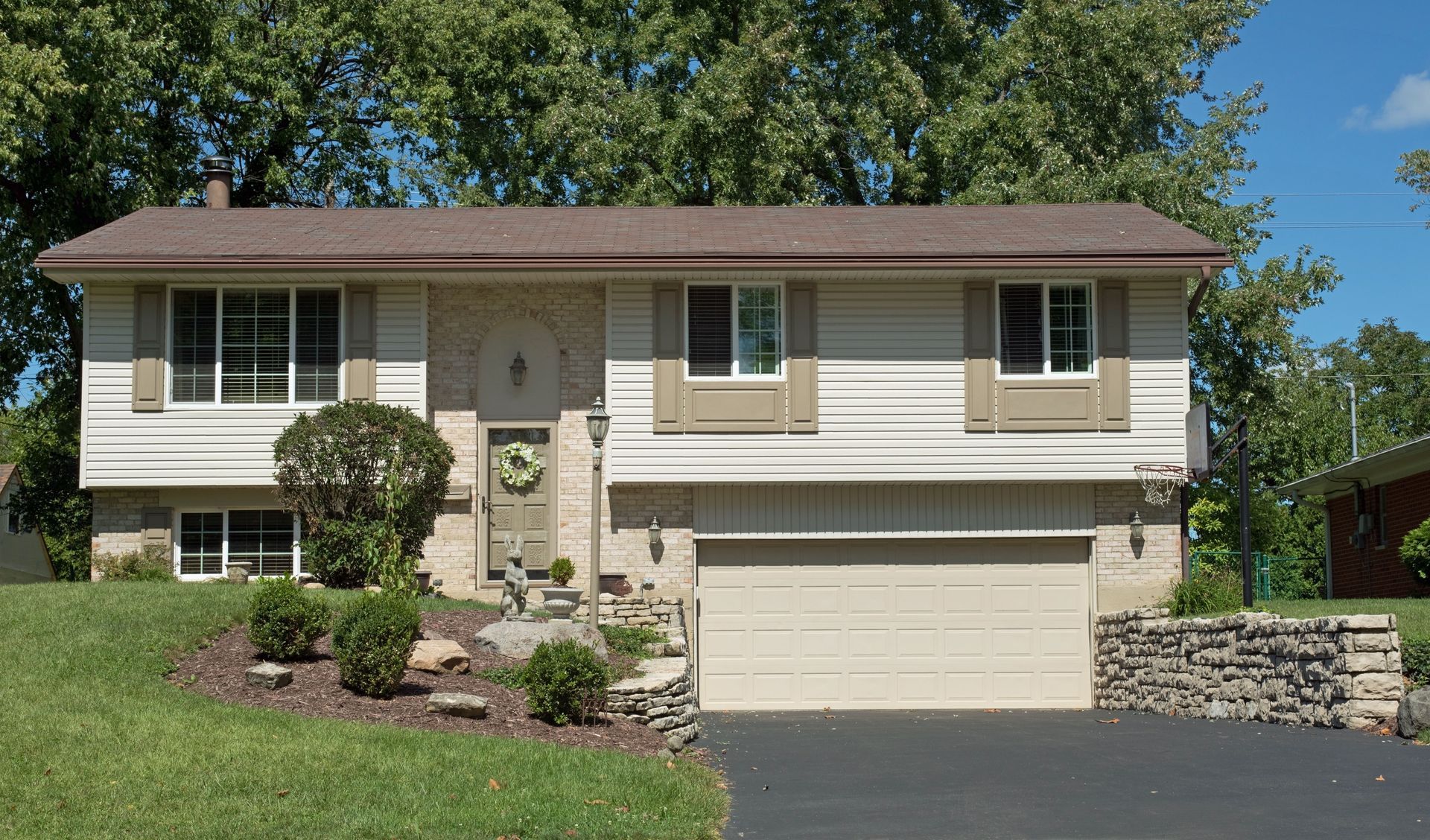
Structures are often built into the hillside to provide necessary stability. According to This Old House, retaining walls prevent soil on a sloped lot from washing away in the rain and can be from one to four feet in the back of the house to 15 feet in the front. These walls act as a shield for the property.
These barriers are not merely aesthetic choices; they are functional requirements for hillside living. They hold back the immense weight of the earth and create flat areas for landscaping or driveways. Using high-quality materials for these walls ensures that the yard remains secure even during years of heavy rainfall.
Silt fences and straw waddles are also deployed to catch sediment before it leaves the boundaries of the lot. This protects local storm drains and nearby properties from mud and debris. Managing the impact of the build on the local environment is a hallmark of professional project management.
Manage Complex Drainage Systems
Water management is the most critical technical challenge on an incline. Gravity pulls moisture down the hill, where it can pool against the foundation or cause the soil to become oversaturated. Experienced general contractors design intricate systems to redirect this flow toward safe exit points away from the home.
French drains and subterranean pipes are often buried deep within the landscape to capture water before it reaches the structure. This proactive approach prevents hydrostatic pressure from building up against the basement walls. Constant monitoring of these systems during the build phase ensures they function correctly before the site is finished.
Without proper drainage, even the strongest foundation can eventually fail. Water carries an incredible amount of weight and can slowly carve out voids beneath the concrete. A sophisticated network of gutters, downspouts, and swales is essential for maintaining the long-term health of a hillside residence.
- Installing perforated pipes surrounded by gravel
- Grading the landscape to encourage outward flow
- Utilizing waterproof membranes on foundation walls
- Creating catch basins for heavy storm runoff
Navigate Steep Access Challenges
Getting heavy machinery and materials up or down a steep incline requires careful logistics. The narrow paths and soft ground often found on hillsides make it difficult for large trucks to deliver supplies. Skilled general contractors develop a detailed site plan to manage the movement of equipment without damaging the surrounding environment.
Crane services may be necessary to lift heavy beams or cooling units into place if the terrain is too steep for traditional forklifts. This coordination involves timing deliveries perfectly to avoid congestion on the site. A well-managed project keeps the timeline moving forward despite the physical obstacles of the lot.
Material storage must also be handled with care to prevent supplies from sliding or becoming damaged by runoff. Each piece of lumber and every bag of concrete must be staged in a location that remains dry and accessible.
The safety of the crew is also a major consideration when working on high-angle slopes. Temporary paths and specialized scaffolding are often required to provide a stable workspace. Maintaining a clean and organized site prevents accidents and ensures that every stage of the build is handled with extreme care.
Design Specialized Foundation Types
Standard flat-lot foundations are rarely sufficient for a home built on a significant grade. Instead, general contractors often recommend a step foundation or a pier-and-beam system. These designs allow the house to follow the natural contour of the land while keeping the living spaces level and secure.
A step foundation mimics a staircase, with the concrete footings dropping down in increments as the hill descends. This method provides excellent support and allows for a lower level that opens directly onto the backyard. It is a popular choice for homeowners who want to maximize their connection to the outdoors.
Piers are often driven deep into the earth until they reach stable bedrock.
- Calculating the depth of the frost line
- Pouring reinforced concrete footings for stability
- Integrating steel rebar into the masonry
- Anchoring the structure deep into the bedrock
Coordinate Multiplicity of Subcontractors
A hillside project requires more than just a carpenter and a plumber. It demands the attention of geotechnical engineers, landscape architects, and specialized excavation crews. Leading general contractors act as the central hub for all these professionals, ensuring that everyone is working from the same set of blueprints.
Mistakes in communication can lead to costly delays or structural errors. By overseeing every individual trade, the lead contractor ensures that the drainage is installed before the retaining walls are finished.
The complexity of these builds means that the order of operations is set in stone. One delay in the grading process can ripple through the entire schedule.
The final result of this intense collaboration is a home that feels like a natural extension of the terrain. When the expertise of dedicated general contractors is applied to a challenging lot, the outcome is a unique residence that captures the full beauty of the landscape while providing total security.
- Synchronizing schedules between different crews
- Reviewing engineering reports at every milestone
- Managing the procurement of specialized hillside materials
- Ensuring all local building permits are strictly followed
Building on an incline is a journey that requires patience, precision, and professional guidance. Do not leave the stability of your future home to chance. Reach out to the experts at Bailey Contracting LLC to begin your hillside transformation with confidence today.